The processes of animal development, including organ size and body size, are genetically predetermined, but these processes are also influenced by environmental factors such as nutrition and temperature. The close link between cell and tissue growth control and environmental cues ensures that developmental transitions occur at the appropriate time during animal development.
Cell proliferation and differentiation in each tissue and organ are kept under strict regulation, both spatially and temporally. Research has revealed the nature of spatial signals, such as growth factors and morphogens, but the way in which these signals direct cell and tissue growth over time remains poorly understood. In addition, growth and developmental timing are also governed by nutrient availability. Most species have a standard body size, but developing organisms are also capable of adapting their growth to fluctuating nutritional states through metabolic regulation. Therefore, linking the nutrient sensing system to an endocrine signaling network allows organisms to control the timing of cell proliferation and differentiation.
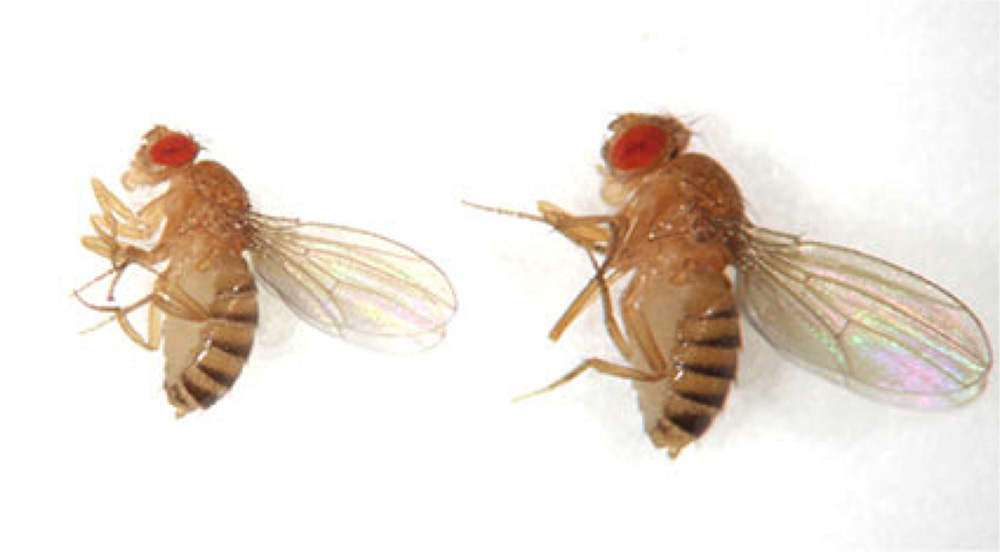
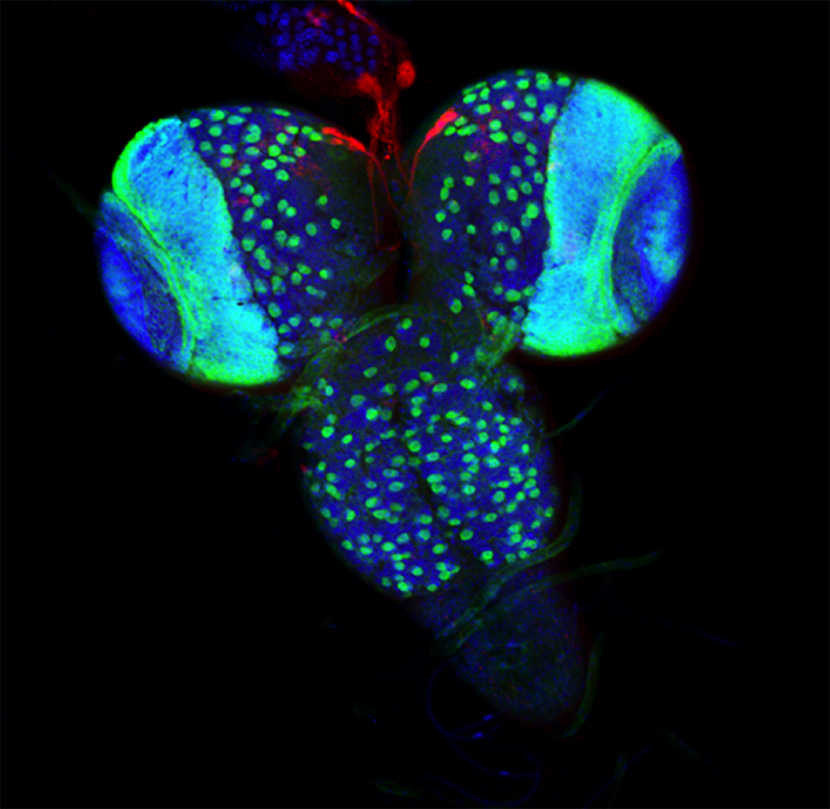
Our team’s research aims to shed light on the molecular basis for growth control and developmental timing at the cellular and tissue/organ level using Drosophila as a model system. In particular, we are interested in addressing the following questions: 1) How do organisms adapt their growth program to changes in energy needs and states, 2) what are the molecular mechanisms that sense nutrient availability and regulate body size, and 3) how do endocrine signals interact with metabolic and growth regulators?
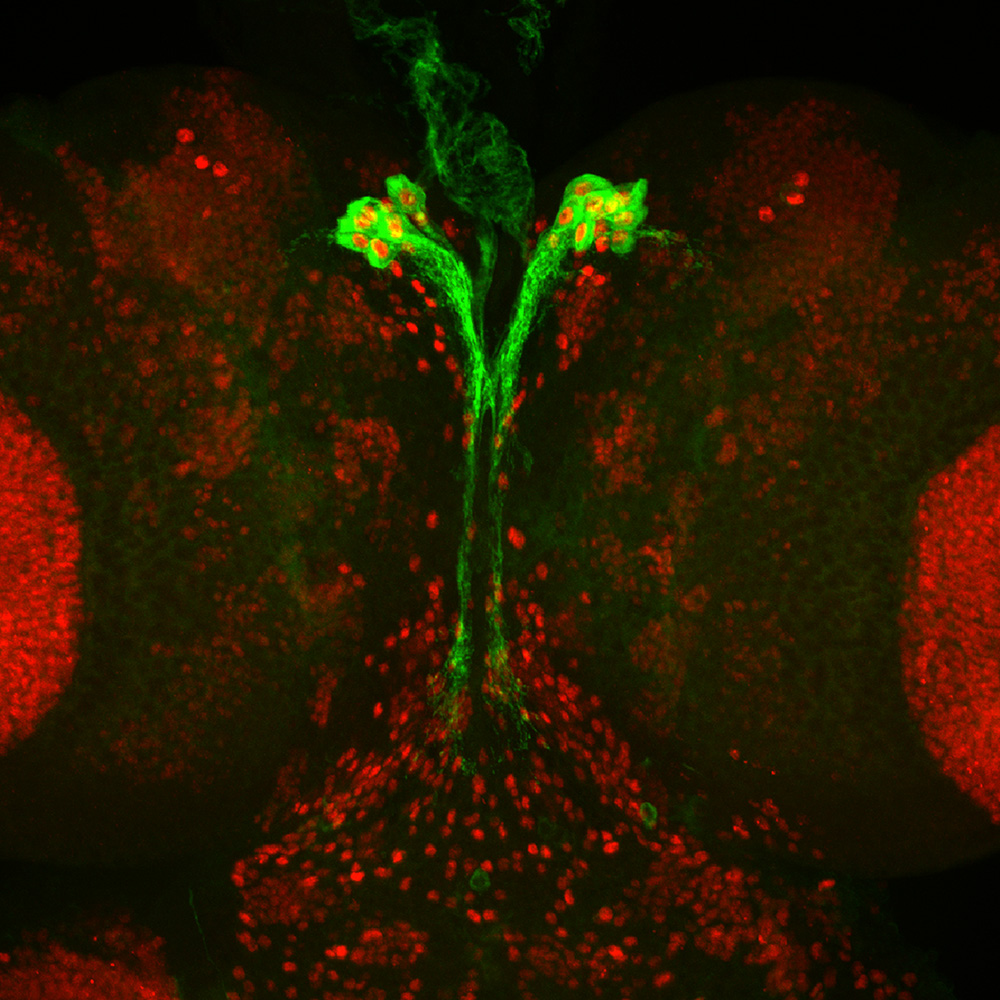
To better understand the interface between nutrient availability and growth regulation, we are focusing on how nutrition controls systemic growth through Drosophila insulin-like peptides (Dilps). Members of the insulin family peptides have conserved roles in the regulation of growth and metabolism in a wide variety of metazoans. We have demonstrated the molecular mechanism underlying the nutrient-dependent expression of a Dilp gene. We have also conducted in vivo RNAi screening to identify new players regulating growth and developmental timing at the organismal level. We described the first demonstration of the glia-derived endocrine factor regulating systemic body growth. Because Dilp regulates both growth and metabolism during development, we are analyzing the physiological significance of the regulation of sugar metabolism by insulin/IGF signaling. Our work focusing on the blood sugar trehalose revealed that metabolism of hemolymph sugar plays a critical role for body growth under poor dietary conditions. Dietary condition-specific phenotype in Drosophila provides new insights into the significance of gene-environment interactions.

A:…
A:…
t-nishimura[at]cdb.riken.jp

![CDB [RIKEN CENTER FOR DEVELOPMENTAL BIOLOGY]](http://www.cdb.riken.jp/en/wp-content/themes/cdb_en/images/common/fLogo2.png)
2-2-3 Minatojima-minamimachi, Chuou-ku, Kobe 650-0047, Japan
TEL : +81-78-306-0111
FAX : +81-78-306-0101
E-mail : cdb[at]cdb.riken.jp